
Still Looking for a Nurse
Another week has gone by, and another week of no school for James. What’s it been…three weeks now? Yeah. Three weeks. Three weeks ago, we were on a nice, relaxing family getaway when Stacy got a call from the school district to let her know that they terminated James’ one-on-one nurse and that they had a new nurse lined up to care for James on that Monday. Well, that didn’t happen. They’ve been trying to find a nurse for him, but so far nothing has panned out. There is supposed to be a nurse starting with him tomorrow, but we don’t have our hopes up.
Replaced a Light Fixture
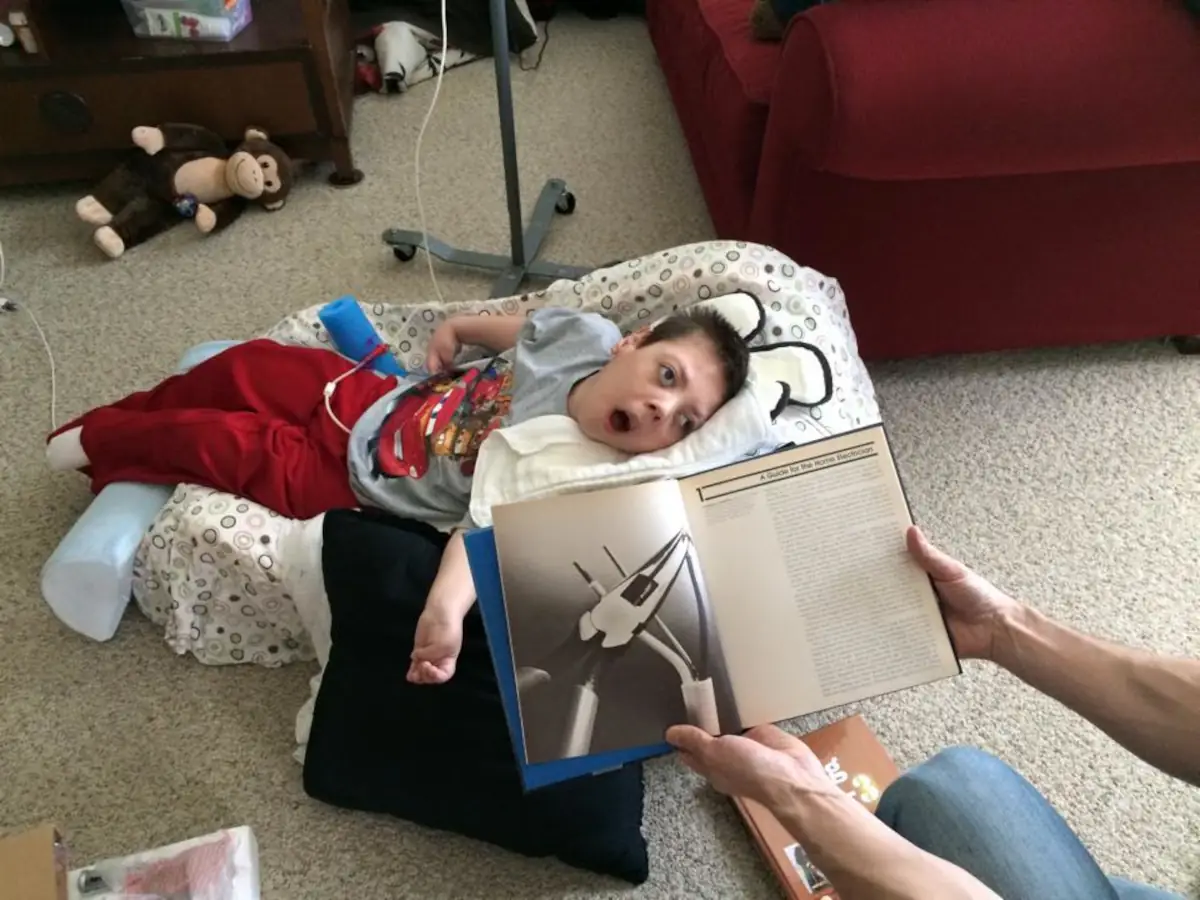
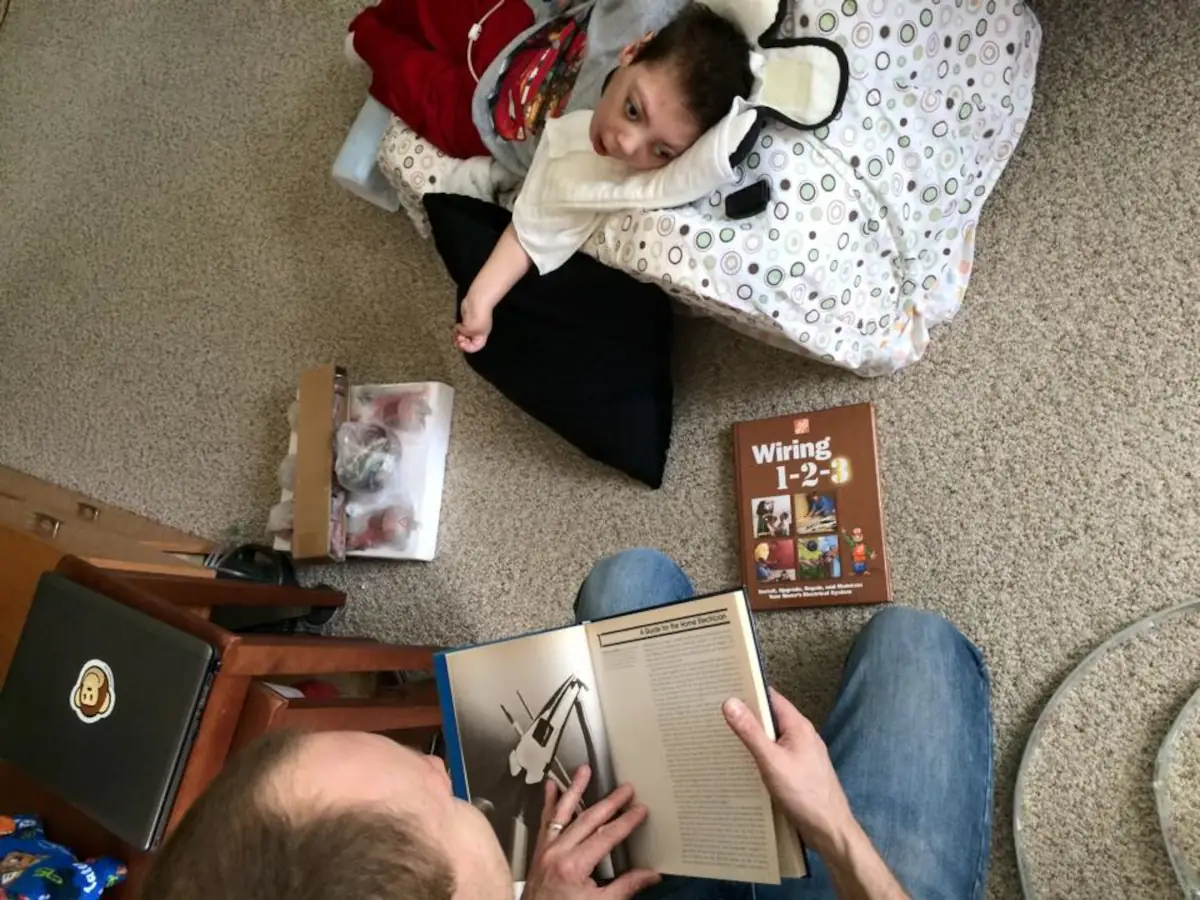
My mom once told me that if I wasn’t going to go to school, then I had to go to work. Those were my two options. I couldn’t just sit home and do nothing. I think I was about 19 or 20 and didn’t know what I wanted to do with my life. Even though James isn’t quite old enough to get a real job, we didn’t see a reason he couldn’t put in some work around the house while he was out of school.
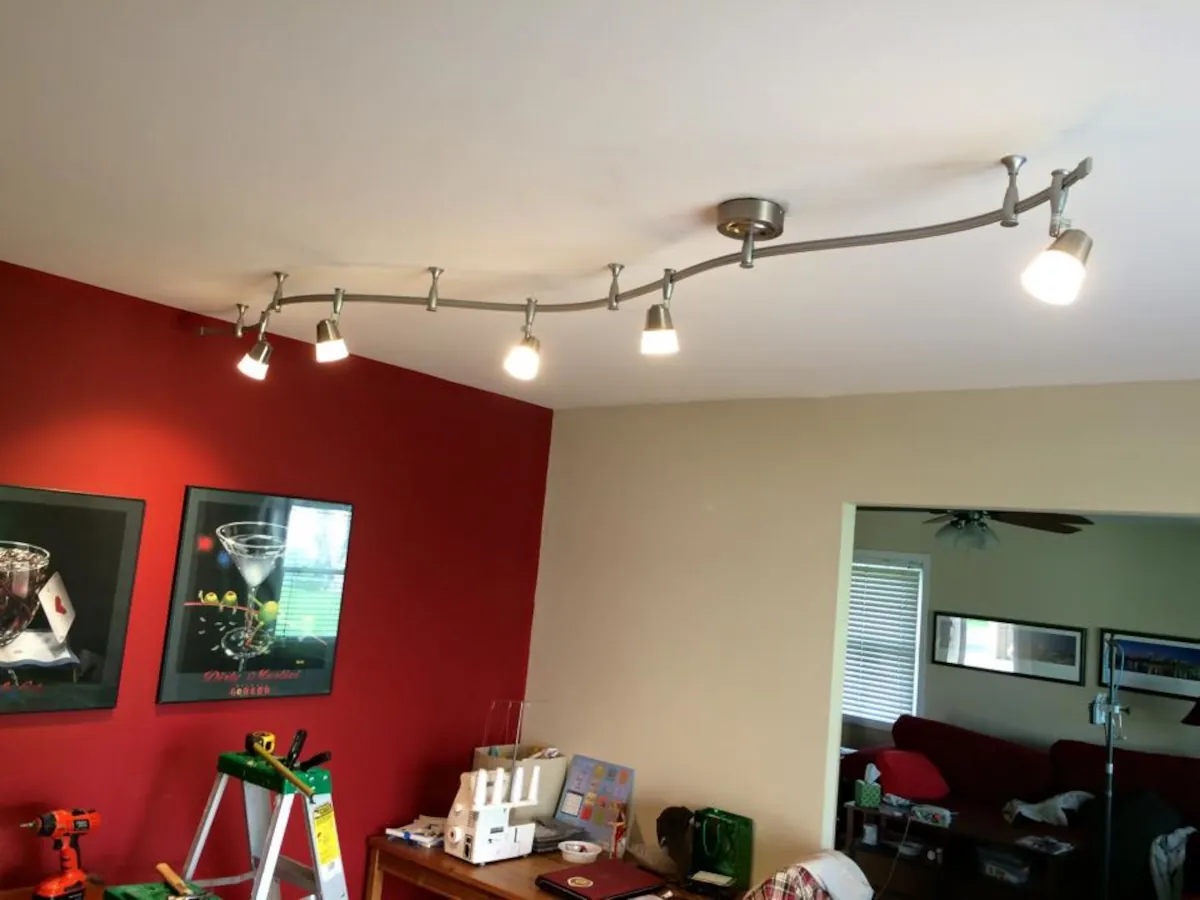
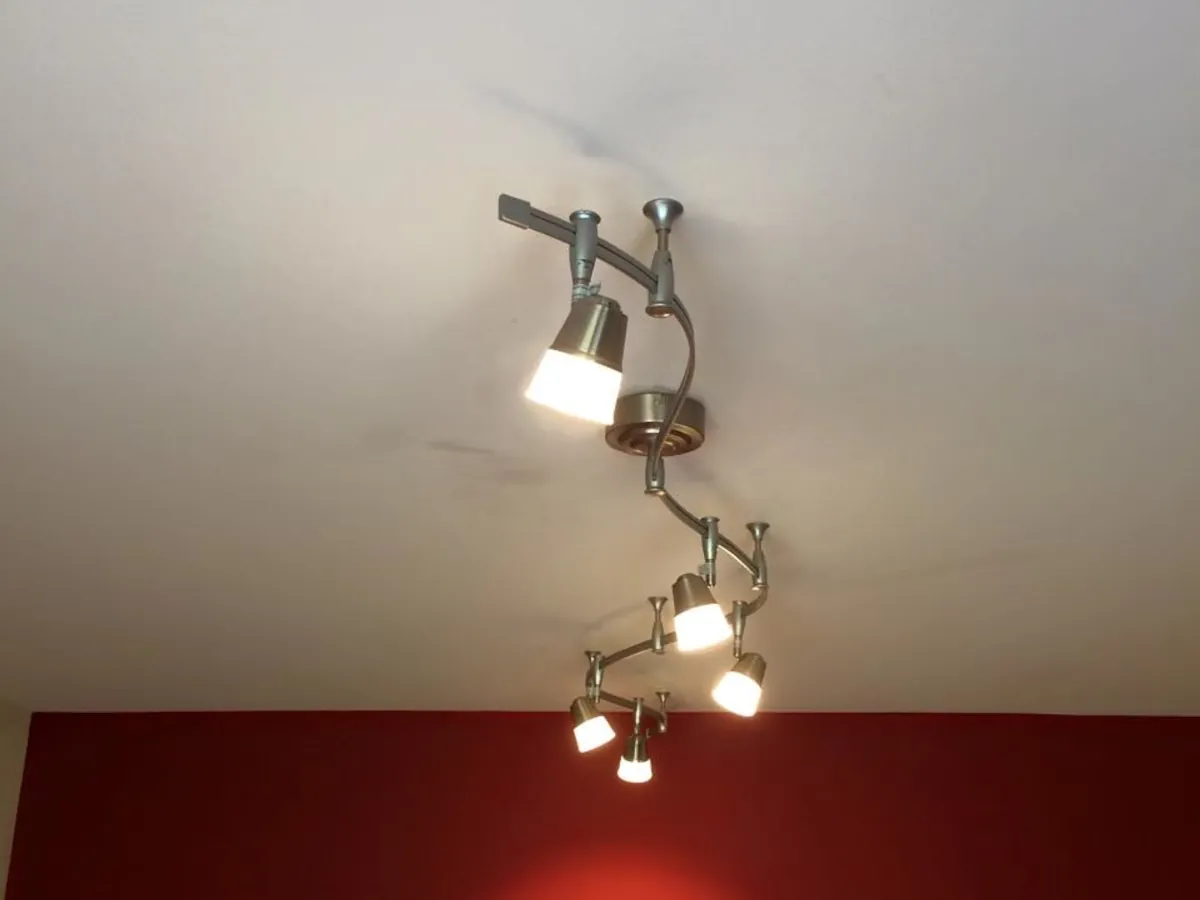
We had a hand-me-down light fixture in our dining room that I’ve never been fond of. It was kind of cool looking, but the bulbs were a bit hard to find, and kind of pricey, so I bought a new light fixture with LED bulbs that won’t need to be replace for many years, if ever. I thought it would be a good opportunity to teach James about electrical wiring.

Video EEG
James had a 24-hour overnight video EEG (VEEG) this past Wednesday and Thursday. Unlike the last VEEG he had in December, this one was done in the hospital. For those of you who are new followers of James and don’t know all of his medical history, he has been suffering from seizures in one form or another pretty much since birth. He’s been on more antiseizure meds than we can count, and nothing has seemed to work. In September of 2012 he had a VNS, or vagus nerve stimulator, implanted in his chest and neck. Similar to a pacemaker for the heart, the VNS is more like a pacemaker for the brain. It sends an impulse through a wire that is wrapped around the vagus nerve in the neck that leads to the brain.
If you want to find out more about the VNS, please visit the link to the manufacturer’s website below.
https://www.livanova.com/epilepsy-vnstherapy/en-us
As part of this VNS “therapy”, James has annual video EEGs—sometimes more than one a year—to see if the seizure activity in his brain is getting better, worse, or staying about the same. Depending on the results of the VEEG, the neurologist will usually make some adjustments to the VNS by either increasing the power of the impulses it sends to the brain, the frequency of those impulses, or both.
The VNS seemed to be doing a good job at controlling his seizures throughout 2013 and most of 2014, but something changed towards the end of 2014. He started having so many more seizures, and we don’t know why. The only way to really know what is going on in James’ brain is through an EEG, or a video EEG (VEEG), which adds recorded video so that the neurologist can see both the brain activity and any visual reactions that James may have during a seizure.
While the EEG tech was putting all of the electrodes on James’ scalp, one of the nurses wheeled in this cool thing—I’m not sure what to call it—with color changing fiber optic lights and balls in tubes of water. I think it helped calm James down while he was getting all of those wires glued to his head.

Once the tech was finished putting all of the electrodes on, she wrapped James’ head with gauze to keep everything in place. I couldn’t help but think that James reminded me of someone…I just couldn’t put my finger on it. Then it finally came to me:

James sleeps on his belly to help drain his secretions during the night, so this is how he slept. Poor kid.
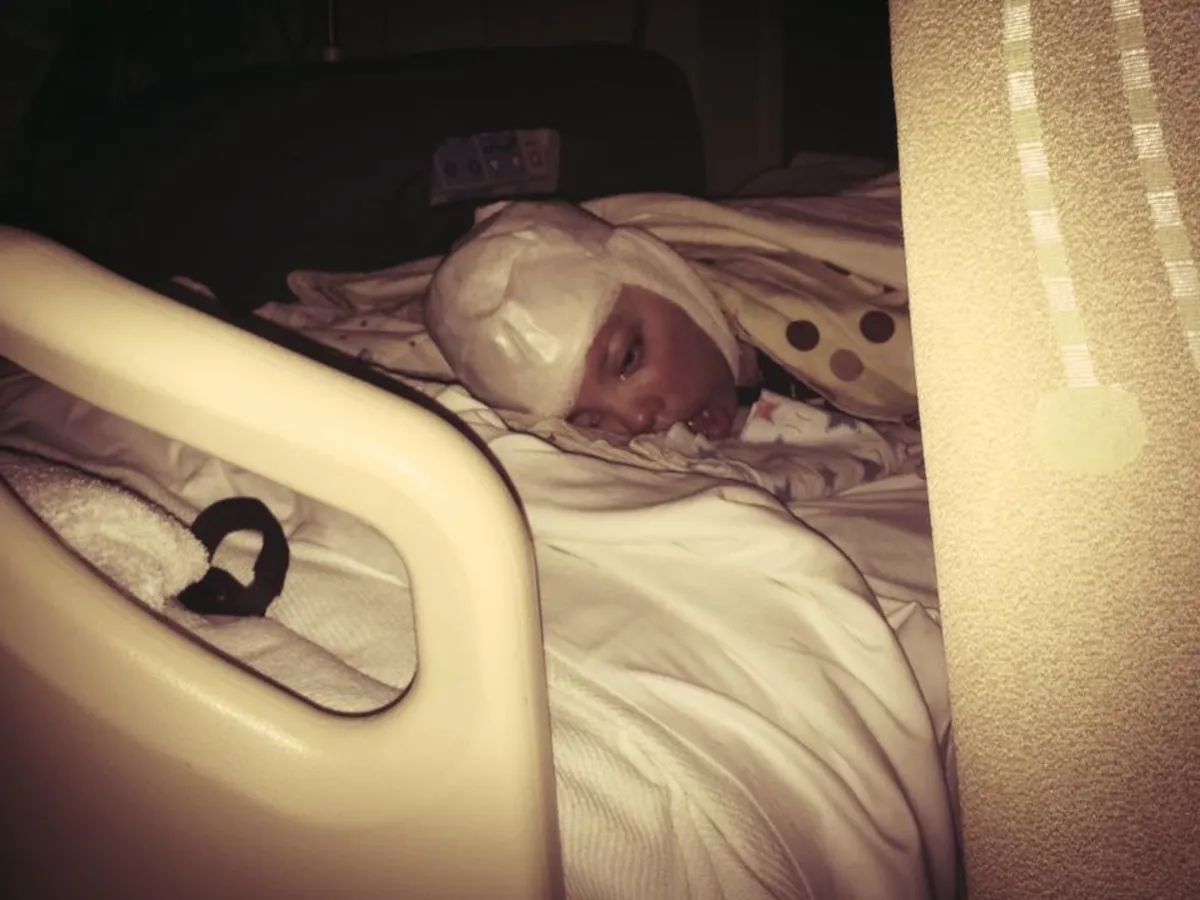
A few hours after they started the VEEG, they were seeing lots of seizure clusters, where several seizures start and stop in groups. This is the problem with James’ seizures. Most of the time they are not visible. The only way to “see” them is through an EEG. The neurologist was still in the building, so he came up and made some adjustments to the VNS. We won’t know if those adjustments helped or not until we meet with the neuro on the 29th.
James is 1 in 2800
Before James was born, we had no idea that babies could have strokes. I don’t know how accurate this number is, but it seems awfully high. I mean, with a number that high, it almost seems like a common thing. And if it’s this common, why did we not know that babies could have strokes?

For more information about pediatric stroke, please visit CHASA.org.